 Earn Money Online UNLOCK YOUR EARNING POTENTIAL
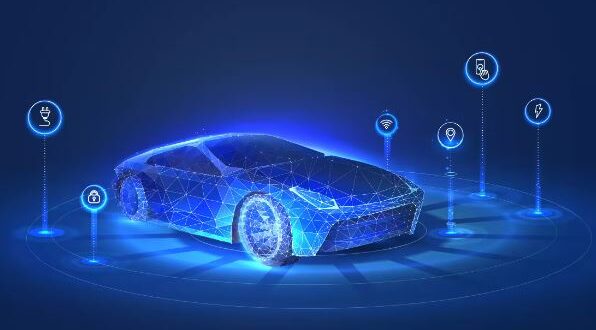
The automotive market is one of the largest and most dynamic sectors globally, encompassing a broad ecosystem of manufacturers, suppliers, dealers, aftermarket players, and service providers. It plays a critical role in economic development, employment, and technological innovation. As of 2025, the global automotive industry is undergoing significant transformation driven by electrification, digitalization, sustainability, and changing consumer behaviour.
This article offers a comprehensive overview of the automotive market — its structure, key segments, current trends, challenges, and future growth opportunities.
- Overview of the Automotive Market
The automotive industry includes the design, development, manufacturing, marketing, and selling of motor vehicles. The market can be divided into several broad categories:
- Passenger Vehicles (PV): Cars and SUVs for personal use
- Commercial Vehicles (CV): Trucks, buses, and vans for logistics, transportation, and business operations
- Electric Vehicles (EV): Battery-powered or hybrid vehicles
- Aftermarket: Auto parts, accessories, maintenance, and services
- Mobility Services: Ride-hailing, car-sharing, and fleet management
In 2024, the global automotive market was valued at over 3.5 trillion, and it is expected to exceed 4.5 trillion by 2030, driven largely by the EV boom, digitization, and demand for connected and autonomous vehicles.
- Key Market Segments
- Passenger Vehicles
This segment represents the largest share of the market. With increasing urbanization and income levels, demand for compact cars and SUVs remains strong, particularly in Asia-Pacific and developing regions.
- Commercial Vehicles
Growth in e-commerce and logistics has boosted demand for light commercial vehicles (LCVs) and heavy-duty trucks. Companies are also exploring electric vans and trucks to reduce fleet emissions.
- Electric Vehicles (EVs)
- EVs are the fastest-growing segment, supported by:
- Government incentives and emissions regulations
- Battery technology advancements
- Increased charging infrastructure
- Tesla, BYD, and legacy automakers like Ford and Volkswagen are investing heavily in this space.
- Autonomous and Connected Vehicles
ADAS (Advanced Driver Assistance Systems) and autonomous technologies are being integrated into modern vehicles. 5G, IoT, and AI are fueling this shift toward smart mobility.
- Aftermarket
As vehicles become more complex, demand for professional maintenance, diagnostics tools, and genuine spare parts is growing. Online parts sales and mobile servicing are trending.
- Regional Market Insights
North America
- Mature market with high vehicle ownership rates
- Automotive Market- Major players: Ford, GM, Tesla
- Rapid EV adoption, especially in California
Europe
- Focused on sustainability and emissions reduction
- EV and plug-in hybrid (PHEV) penetration growing rapidly
- Home to premium brands: BMW, Mercedes-Benz, Volkswagen
- Stringent Euro 7 regulations shaping future development
Asia-Pacific
- Largest and fastest-growing automotive market
- China is the global leader in EV manufacturing and sales
- India and Southeast Asia show high growth potential in affordable vehicles and two-wheelers
- Japanese brands like Toyota, Honda, and Nissan remain dominant
Latin America and Africa
- Emerging markets with growing urban populations
- Demand for low-cost, fuel-efficient vehicles
- Infrastructure and economic instability are challenges
- Major Trends Shaping the Automotive Market
- Electrification
Governments worldwide are pushing for EV adoption to combat climate change. Automakers are launching electric models across all segments, and battery prices continue to decline.
- Connected Cars
Vehicles are increasingly integrated with smart technologies—GPS, infotainment, over-the-air (OTA) updates, and real-time diagnostics. This enhances user experience and enables predictive maintenance.
- Autonomous Driving
Self-driving technology, though not yet mainstream, is advancing. Levels 2 and 3 autonomy (e.g., lane assist, adaptive cruise control) are now common in premium vehicles.
- Mobility-as-a-Service (MaaS)
Urban consumers are shifting from vehicle ownership to mobility solutions like ride-sharing, subscriptions, and micro-mobility. Companies like Uber, Lyft, and Ola are key players.
- Sustainability and ESG
OEMs are committing to carbon neutrality, investing in eco-friendly materials, and optimizing supply chains. Recyclability, lifecycle emissions, and sustainable sourcing are now priorities.
- Digital Transformation
Sales and servicing are moving online. Virtual showrooms, contactless test drives, and digital financing options are becoming standard in automotive retail.
- Challenges Facing the Automotive Industry
- Supply Chain Disruptions
The pandemic and geopolitical issues have exposed vulnerabilities in the global supply chain—especially semiconductor shortages that impacted production.
- High EV Costs
Although EV adoption is rising, battery and infrastructure costs still make electric cars less affordable in some regions.
- Regulatory Pressure
Stricter emission norms and safety regulations require constant innovation, increasing R&D and compliance costs.
- Changing Consumer Expectations
Buyers now expect vehicles to be smart, connected, and environmentally friendly, requiring automakers to adapt quickly.
- Competition and Price Pressure
With new EV start-ups entering the market and digital disruptors offering alternative mobility, traditional automakers face intense competition.
- Key Players in the Automotive Market
- Tesla – EV innovation and autonomous driving leadership
- Toyota – Global leader in hybrid technology and production efficiency
- Volkswagen Group – Diversified portfolio and massive EV investment
- BYD – Dominates EV sales in China
- General Motors – Investing heavily in EVs and battery tech
- Ford Motor Company – Electric pickups and digital retail initiatives
- Hyundai-Kia – Emerging global EV and hydrogen leaders
- BMW/Mercedes-Benz – Premium segment and connected vehicle tech
Startups like Rivian, Lucid Motors, and NIO are also making waves in the EV space.
- Future Outlook of the Automotive Market
The next decade will redefine mobility. According to forecasts:
- By 2030, EVs may account for 50% of global vehicle sales.
- Autonomous vehicles may enter commercial deployment in specific applications like robo-taxis or delivery fleets.
- OEMs will evolve into mobility service providers, offering subscription models, fleet services, and software-driven experiences.
- The automotive value chain will become more digital and service-oriented, with software and AI playing major roles in design, diagnostics, and operations.
Sustainability, innovation, and customer experience will remain at the core of industry transformation.
Conclusion
The global automotive market is at a crossroads — balancing tradition with innovation, combustion engines with electrification, and ownership with on-demand mobility. While the road ahead is filled with challenges, it’s also rich with opportunity. Companies that embrace technology, adapt to change, and prioritize customer needs will shape the future of transportation.
For businesses, investors, and consumers alike, the evolution of the automotive industry promises a more connected, sustainable, and intelligent era of mobility.