 Earn Money Online UNLOCK YOUR EARNING POTENTIAL
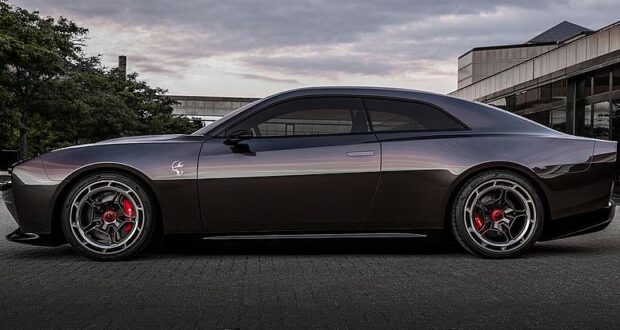
The story of American cars is deeply intertwined with the history of the United States itself. From the early 20th century to the modern electric vehicle revolution, American automakers have shaped the way people travel, work, and live. Known for their power, bold design, and mass-market appeal, American cars have left an indelible mark on the global auto industry.
This article expediently explores the origins, evolution, innovations, major brands, and future of American cars in detail.
The Origins of American Automobiles
The American car industry began in the late 1800s and took off in the early 1900s. While multiple inventors were working on horseless carriages, it was Henry Ford who revolutionized the industry.
- Henry Ford’s Model T (1908) made cars affordable for the average American.
- Ford’s use of the assembly line in 1913 allowed for mass production, reducing costs and speeding up manufacturing.
- By 1920, America was the world leader in car production.
This era birthed Detroit as the auto capital of the world, home to the Big Three automakers: Ford, General Motors (GM), and Chrysler.
The Golden Era (1950s–1970s)
Post-World War II America saw a booming car culture:
- Design & Style: American cars became larger, flashier, and more luxurious. Iconic tailfins, chrome grills, and muscle car aesthetics defined the era.
- V8 Engines: High-displacement V8 engines were widely used, emphasizing speed and power.
- Muscle Cars: The 1960s introduced legendary models like the Ford Mustang, Chevrolet Camaro, Dodge Charger, and Pontiac GTO.
The muscle car era was a golden age for performance and design, with vehicles that became cultural symbols.
Key American Car Brands
- Ford Motor Company
- Founded: 1903
- Famous for: Model T, Mustang, F-Series trucks
- Innovations: Assembly line production, EcoBoost engines, electric F-150 Lightning
- General Motors (GM)
- Founded: 1908
- Owns: Chevrolet, GMC, Cadillac, Buick
- Famous for: Chevy Silverado, Corvette, Suburban
- Innovations: OnStar, Ultium battery platform
- Chrysler (Now part of Stellantis)
- Founded: 1925
- Brands: Dodge, Ram, Jeep, Chrysler
- Known for: Minivans, Dodge muscle cars (Challenger, Charger), Jeep SUVs
- Tesla, Inc.
- Founded: 2003 by Elon Musk and team
- Revolutionized electric cars with the Model S, 3, X, Y
- Innovations: Autopilot, over-the-air updates, electric performance
- Rivian & Lucid Motors
- New EV manufacturers gaining attention
- Focused on electric trucks and luxury EVs
- Rivian R1T and Lucid Air are game-changers
- Oil Crises (1970s): Sparked demand for fuel-efficient cars—Japanese automakers gained market share.
- Global Competition: Toyota, Honda, BMW, and Hyundai posed stiff competition.
- Quality Perception: U.S. brands were criticized for lower quality and reliability.
- 2008 Financial Crisis: GM and Chrysler filed for bankruptcy and were bailed out by the U.S. government.
- Environmental Regulations: Stricter emissions laws pushed automakers to rethink designs and engines.
Resurgence and the EV Revolution
American automakers are undergoing a renaissance, driven by sustainability and innovation:
- Tesla leads the global EV market and is the most valuable car brand in the world.
- Ford introduced the Mustang Mach-E and the all-electric F-150 Lightning, bridging heritage with future tech.
- GM committed to selling only zero-emission vehicles by 2035, investing heavily in electric platforms.
- Rivian and Lucid are carving niches in luxury and adventure EV markets.
- Battery technology, charging infrastructure, and autonomous driving are central to the future of American cars.
Popular American Car Segments
- Pickup Trucks
- Dominated by the Ford F-Series, Chevy Silverado, and Ram 1500
- Valued for utility, towing, and all-American ruggedness
- SUVs
- Jeep Grand Cherokee, Ford Explorer, Chevy Tahoe are household names
- Popular for family use, off-roading, and cargo space
- Muscle Cars
- Mustang, Camaro, and Challenger still carry their performance legacy
- Dodge’s Hellcat engines are among the most powerful street-legal V8s
- Electric Vehicles
- Tesla’s entire line-up, Ford Mach-E, Hummer EV, Rivian R1T
- High range, speed, and smart tech define modern American EVs
Global Impact of American Cars
- Exports: American automakers sell vehicles across Europe, Asia, and the Middle East.
- Design Influence: Bold American car styling inspires global trends.
- Tech Leadership: Tesla’s innovations are pushing all automakers to adopt electric and autonomous features.
What’s next for American Cars?
The next decade will be defined by:
- Full Electrification: Every major brand is investing in EVs
- Autonomous Driving: Tesla, Waymo, and GM’s Cruise lead the way
- Sustainable Materials: Eco-friendly interiors and production methods
- Subscription Models: Digital services and car-as-a-service concepts
- Cybersecurity: Protecting connected vehicles from threats
- Innovations: Autopilot, over-the-air updates, electric performance
Innovation and Engineering Excellence
American cars have been known not just for brawn but also for innovation:
- Assembly Line (Ford): Pioneered efficient production
- Automatic Transmission: Made driving more accessible
- Electric Cars (Tesla): Redefined performance and sustainability
- SUV and Truck Dominance: U.S. leads in pickup and large SUV development
- Connected Cars: GM’s OnStar and FordPass deliver integrated tech experiences
American Car Culture
Cars are more than transport in America—they’re a way of life.
- Road Trips: Vast interstate highways encourage long-distance travel
- Car Shows & Cruises: Hot rod and classic car culture is still strong
- Motorsports: NASCAR, drag racing, and IndyCar are huge in the U.S.
- Customization: Americans love customizing cars for performance and looks
Challenges Faced by American Automakers
- Despite their influence, American car companies have faced major hurdles
- American automakers are positioning themselves not just as car builders, but as tech mobility providers.
Conclusion
The American cars have wholly evolved from the utilitarian Model T to cutting-edge electric and autonomous vehicles. Through decades of innovation, cultural significance, and resilience, they continue to shape global transportation trends.
From roaring muscle cars to silent Teslas, American vehicles offer a wide spectrum of choices—blending heritage, power, and the promise of a smarter, cleaner future.
Whether you’re a car enthusiast, commuter, or casual driver, the legacy of American cars remains one of the most iconic and evolving stories in the automotive world.